
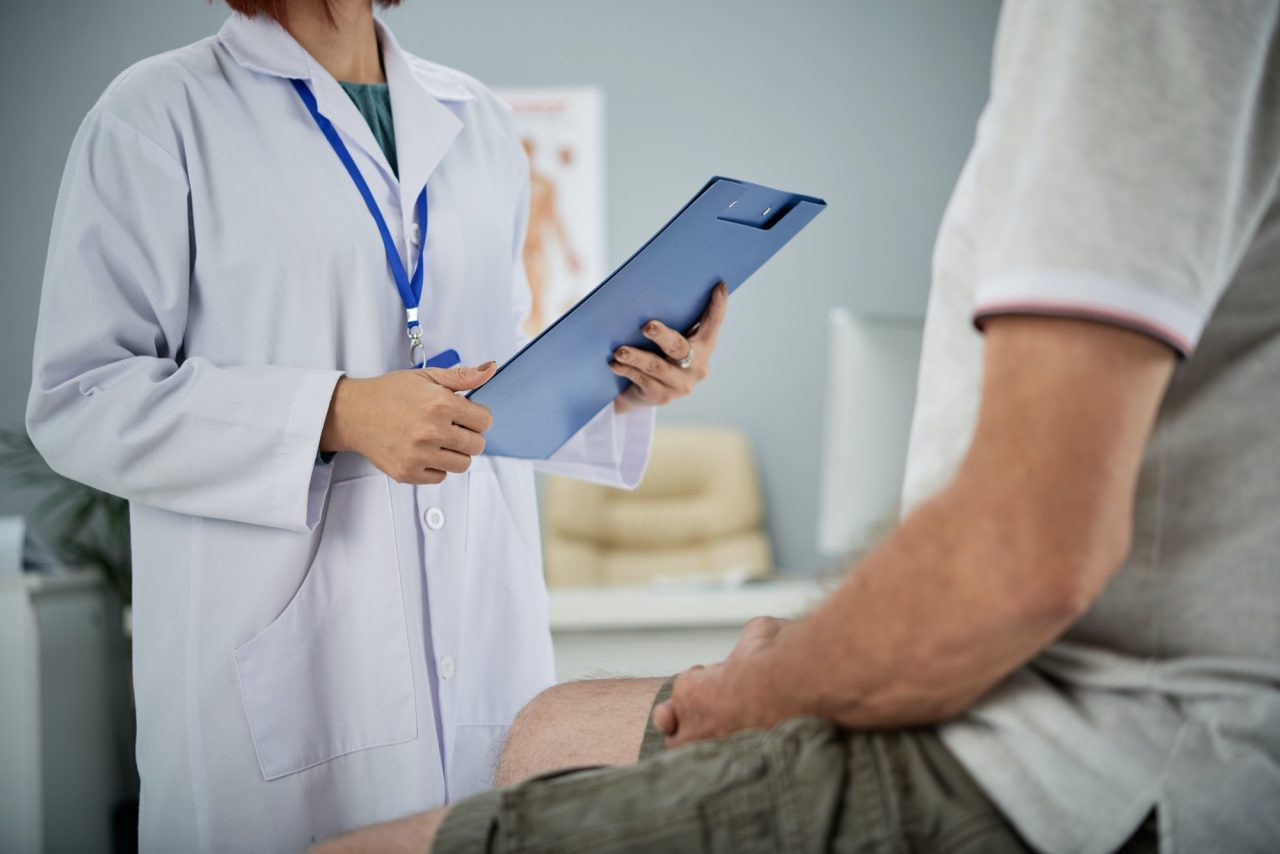
PRP (Platelet Rich Plasma) is an autologous treatment that uses a concentrated preparation of platelets obtained from the patient’s own blood.
Platelets contain growth factors and bioactive proteins that play an important role in the body’s natural tissue repair and healing processes.
A small amount of the patient’s blood is collected and then centrifuged to separate and concentrate the platelet rich plasma.
The prepared PRP is then injected or applied directly to the targeted treatment area, depending on the clinical indication.
Blood Collection → Centrifugation → PRP Preparation → Administration to the Treatment Area
Once administered, activated platelets release growth factors and other signaling molecules that may support
:
Tissue repair and recovery
Natural healing processes
Modulation of inflammatory responses
Improvement of the local tissue environment
Used to support skin recovery and improve overall skin quality and texture.
Used in certain treatment protocols for hair loss and to support hair follicle activity.
May be injected into selected joints, tendons, or soft tissues to support tissue recovery and symptom management under medical guidance.
No
PRP is not a stem cell therapy.
PRP is prepared from the patient’s own blood and works primarily through platelets and the growth factors they release. Its biological mechanism is different from stem cell therapy.
Treatment response varies between individuals and may depend on the PRP preparation, platelet concentration, treatment area, underlying condition, and administration technique.
A qualified physician should assess each patient and determine an appropriate treatment plan before treatment.
Application of advanced medical technologies to support the recovery, regeneration, and improvement of tissue and organ function in the body.

Use stem cells as directed by the medical facility to support tissue regeneration, functional recovery, and comprehensive health care.
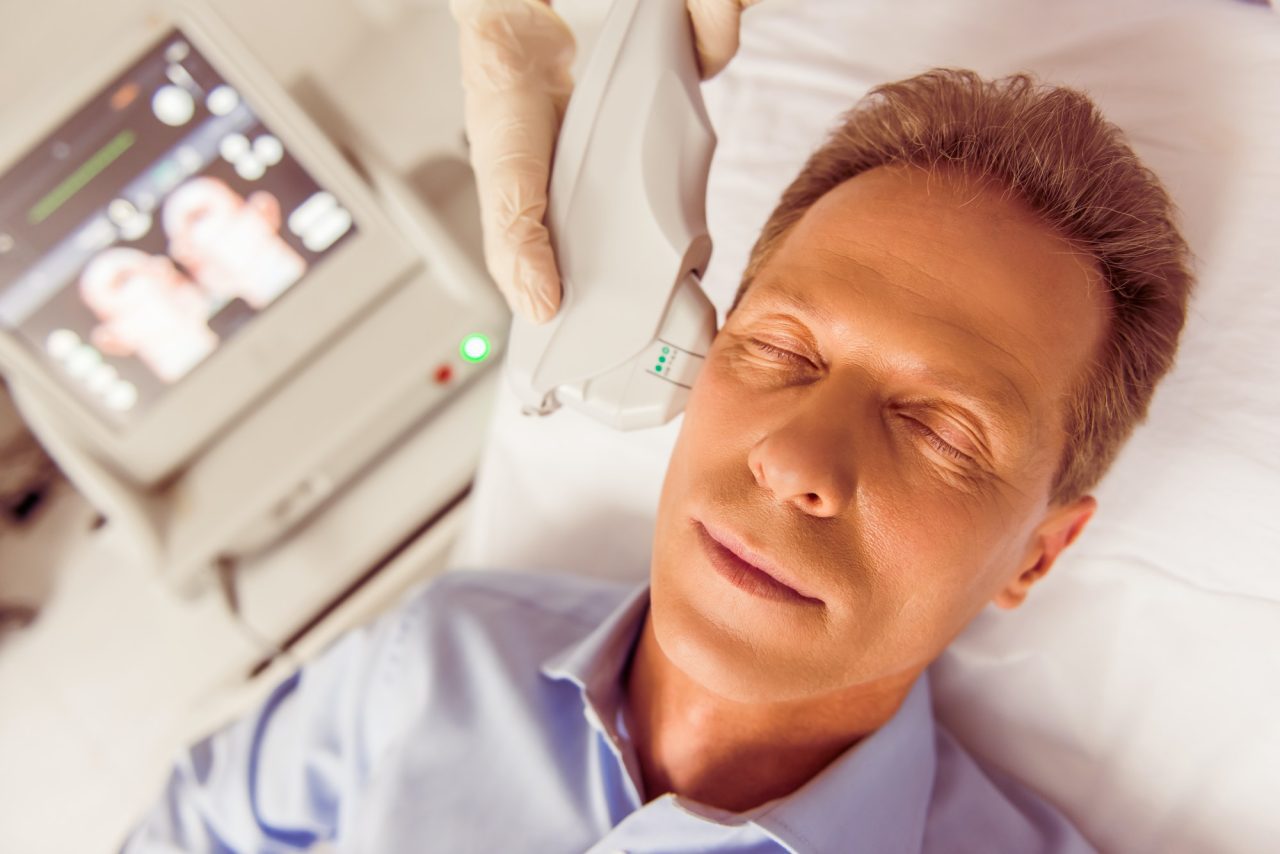
The use of NK (Natural Killer) immune cells to support the body’s ability to recognize and eliminate abnormal cells, as directed by a physician.

The use of extracellular vesicles (exosomes) containing biological signaling molecules to support tissue recovery, regeneration, and overall health care.
Advanced screening programs help assess risk, detect early signs of abnormalities, and develop an appropriate follow-up plan.
Solutions designed to support the recovery of musculoskeletal function, including joints, tendons, ligaments, and soft tissues, with the goal of improving mobility and quality of life.
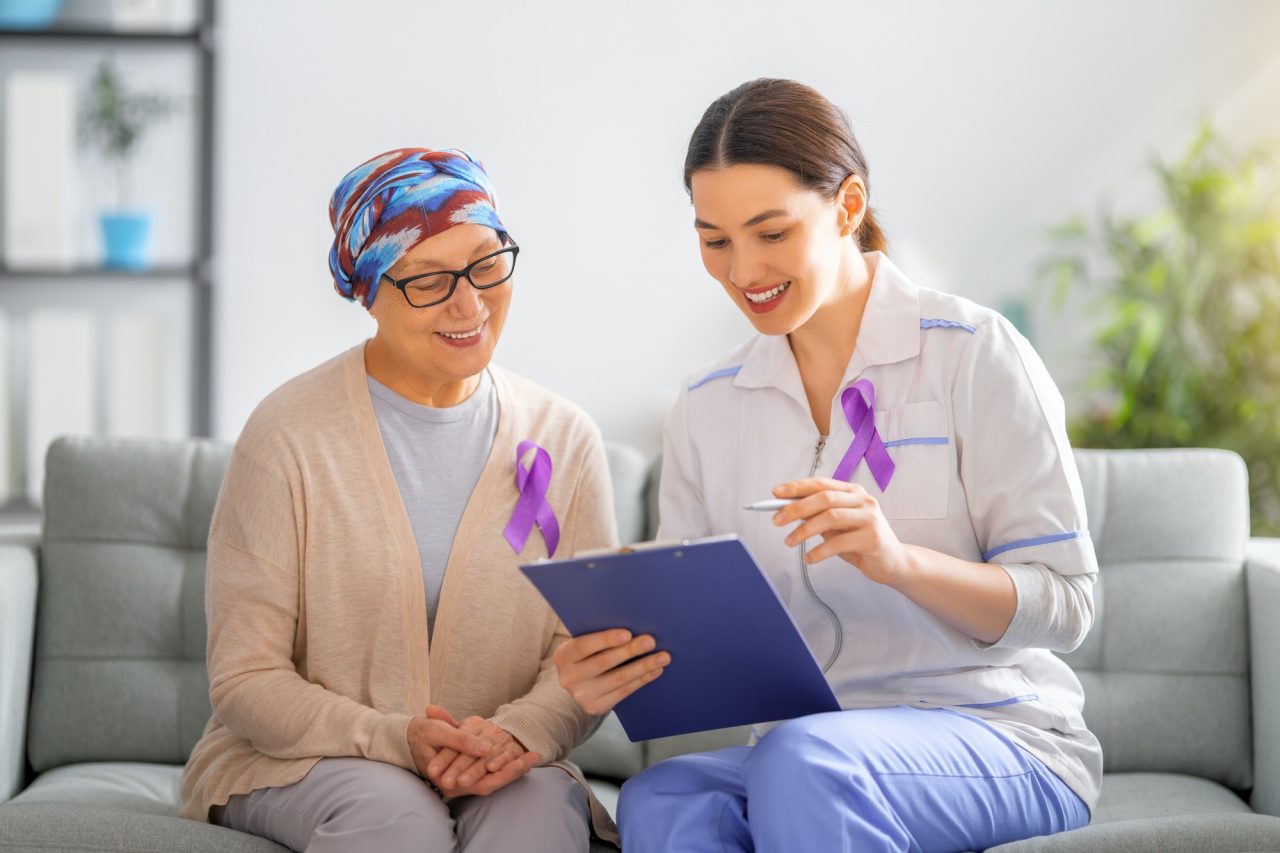
Treatment will be provided by licensed hospitals and clinics in Japan.
No. All medical services are provided by hospitals or clinics in Japan. VISION is responsible for coordination and support throughout the entire journey.
Contact VISION for an initial consultation. After assessing your needs, we will recommend a suitable medical institution and program.
It depends on the program and the recommendations of the medical institution. Some programs may require only one visit, while others may involve follow-up appointments.
The cost depends on the program, medical institution, and each client’s individual condition. A quotation will be provided in advance before proceeding.
If available, clients are encouraged to provide previous examination results or medical records so that the physician has additional information for assessment.
Yes. VISION provides consultation and coordination support for the necessary arrangements related to the medical itinerary. The scope of support may vary depending on each individual case.