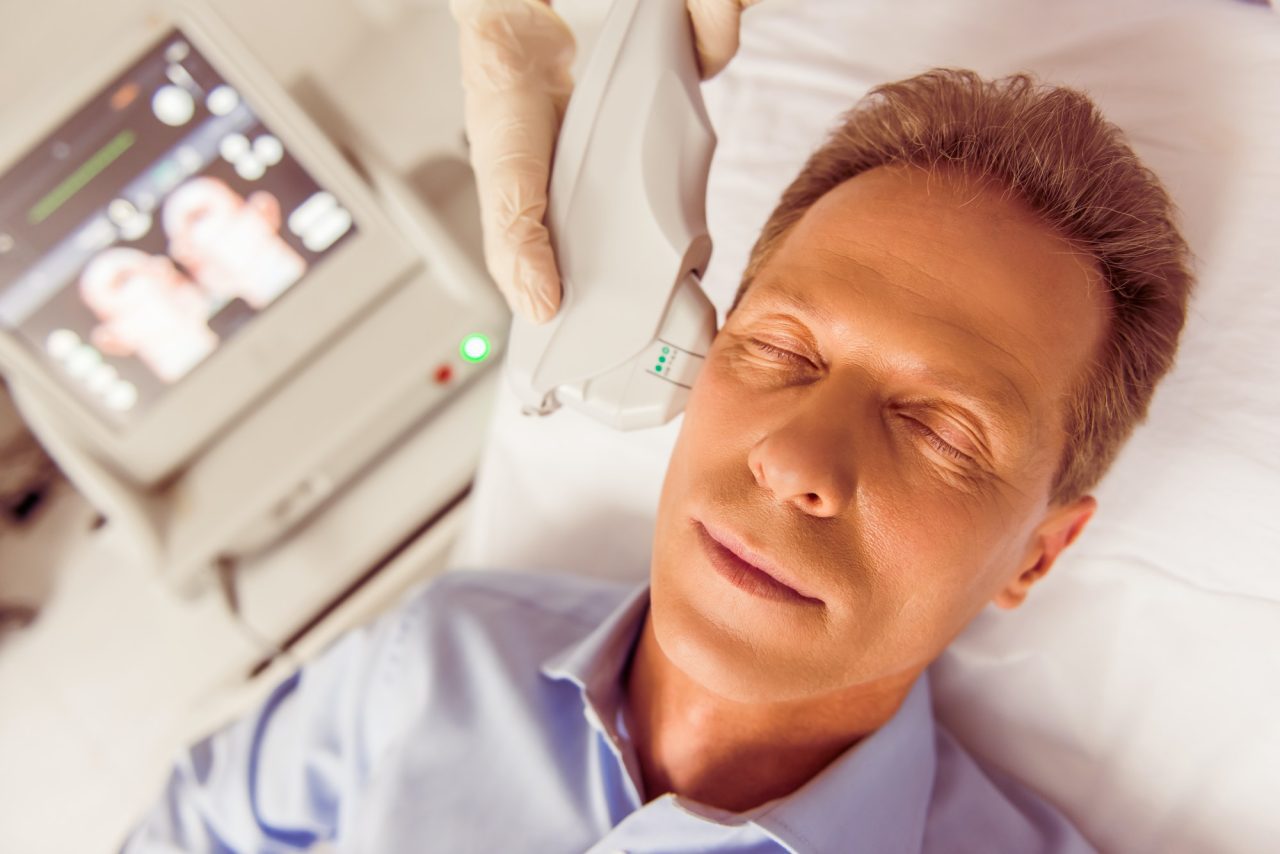
Exosomes are nanoscale extracellular vesicles naturally released by cells. They carry biological molecules such as proteins, lipids, and RNA, allowing cells to communicate and exchange signals with one another.
Exosomes are not stem cells and are not living cells. Rather than replacing cells, they function primarily as carriers of biological signals that may influence cellular activity and the surrounding tissue environment.
Where Do Exosomes Come From?
Exosomes can be released by many different types of cells.
In regenerative medicine, mesenchymal stem/stromal cell derived exosomes (MSC derived exosomes) are among the most widely studied.
MSCs used as the source may be obtained from tissues such as adipose tissue, bone marrow, or umbilical cord tissue, depending on the preparation and manufacturing protocol.
Following cell culture, exosomes can be collected from the conditioned culture medium and undergo isolation, purification, characterization, and quality control procedures prior to clinical use.
How Do Exosomes Work?
Exosomes can be understood as microscopic “messengers” between cells.
By delivering biologically active molecules to recipient cells, exosomes may influence cellular signaling pathways involved in:
Tissue repair and regenerative processes
Regulation of inflammatory signaling
Modulation of the cellular microenvironment
Natural tissue repair responses
How Are Exosomes Administered?
The route of administration depends on the specific preparation, treatment objective, and physician’s clinical assessment.
Depending on the intended application, exosome based preparations may be administered through intravenous (IV) infusion for systemic delivery or applied/administered locally to a targeted area. Other routes are also being investigated for specific clinical applications.
Other routes are also being investigated for specific clinical applications.
There is therefore no single route of administration appropriate for every patient or every exosome based treatment.
Areas of Clinical Interest
Skin & Regenerative Aesthetics
Exosomes are being studied in programs aimed at supporting recovery and improving skin quality.
Hair & Scalp
Investigated for potential applications in hair and scalp care.
Musculoskeletal
Exosomes are being studied for their potential to support the tissue environment, recovery processes, and signaling pathways associated with inflammation.
Regenerative Medicine
Investigated for their role in cell to cell communication and biological processes associated with tissue repair and regeneration.
How Are Exosomes Different from Stem Cells?
The key distinction is simple:
Stem cells have the capacity for self renewal and differentiation into certain specialized cell types.
Exosomes do not possess these abilities.
Instead, they primarily transport biological molecules and signals between cells.
Therefore, an MSC derived exosome originates from MSCs but is not itself a stem cell.
Medical Disclaimer
The safety, clinical evidence, and potential outcomes of exosome based therapies vary depending on the cell source, manufacturing and purification process, product quality, route of administration, and intended application.
A qualified physician should assess each patient and determine whether a particular treatment is appropriate.
VISION Medical Concierge provides medical coordination and support services, including medical institution coordination, appointment arrangements, documentation assistance, and interpretation support. VISION Medical Concierge does not directly provide medical examinations, diagnoses, or treatments.