

Aesthetic medicine uses minimally invasive treatments to improve facial contours, proportions, and visible signs of aging.
Botox and dermal fillers are two widely used injectable treatments, but they work in very different ways.
Botulinum toxin injections work by temporarily reducing the activity of targeted muscles.
They are primarily used to improve dynamic wrinkles caused by facial muscle movement and may also be used for facial contouring in selected areas.
Forehead lines, frown lines, and crow’s feet
Masseter muscles to create a slimmer facial contour
Other areas depending on medical assessment
Simply put: Botox works on muscle activity.
Dermal fillers are injectable materials used to restore volume, enhance facial contours, or improve areas affected by volume loss.
Hyaluronic Acid (HA) fillers are among the most commonly used fillers in aesthetic medicine.
Lips, chin, and other contouring areas
Cheeks and temples with volume loss
Selected facial hollows or folds
Areas requiring enhancement of facial proportions and contours
Simply put: Filler works on volume and shape.
Botox
→ Reduces muscle activity
→ Dynamic wrinkles & muscle related facial contouring
Filler
→ Adds or restores volume
→ Filling, shaping & facial contour enhancement
A physician will assess each patient’s facial anatomy and aesthetic goals to determine the appropriate treatment, injection areas, and dosage.
Use stem cells as directed by the medical facility to support tissue regeneration, functional recovery, and comprehensive health care.
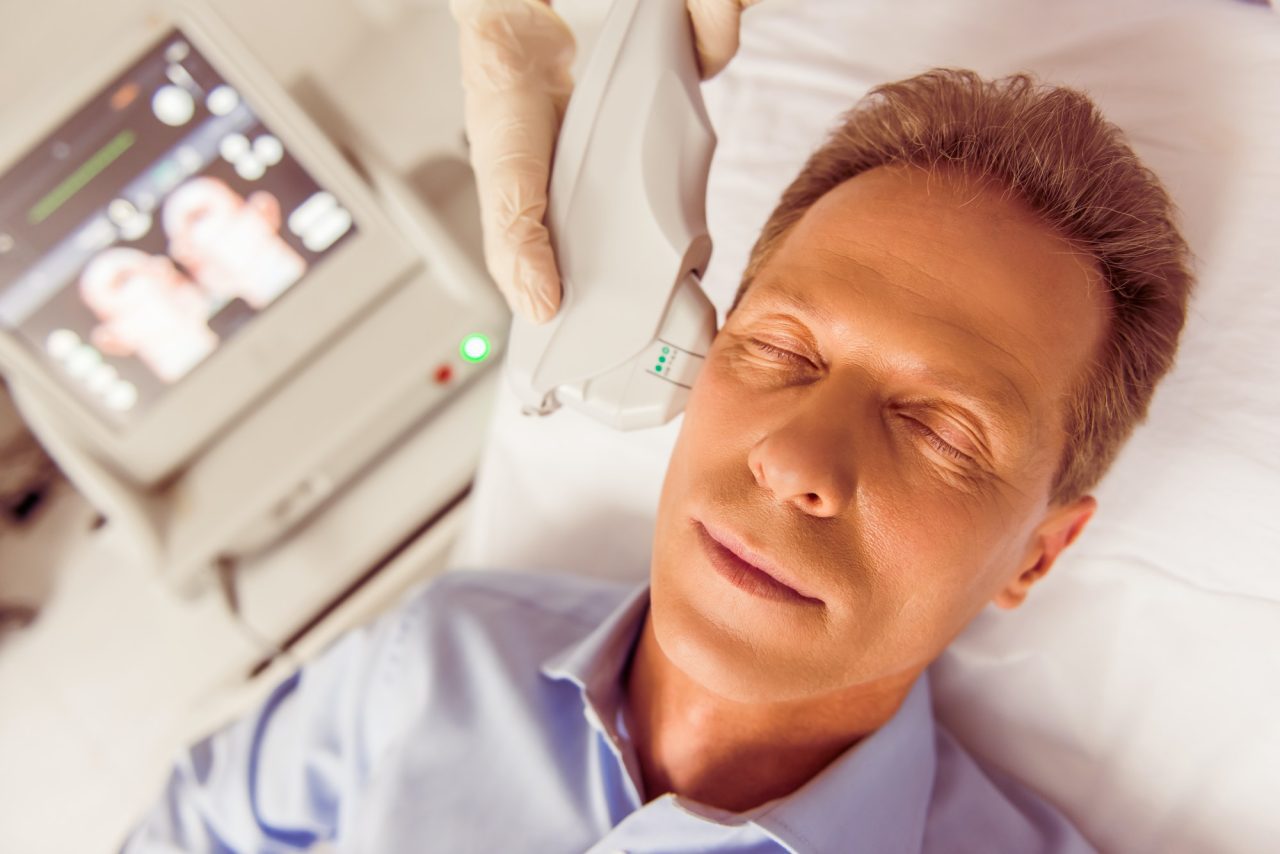
The use of NK (Natural Killer) immune cells to support the body’s ability to recognize and eliminate abnormal cells, as directed by a physician.

The use of extracellular vesicles (exosomes) containing biological signaling molecules to support tissue recovery, regeneration, and overall health care.
Advanced screening programs help assess risk, detect early signs of abnormalities, and develop an appropriate follow-up plan.
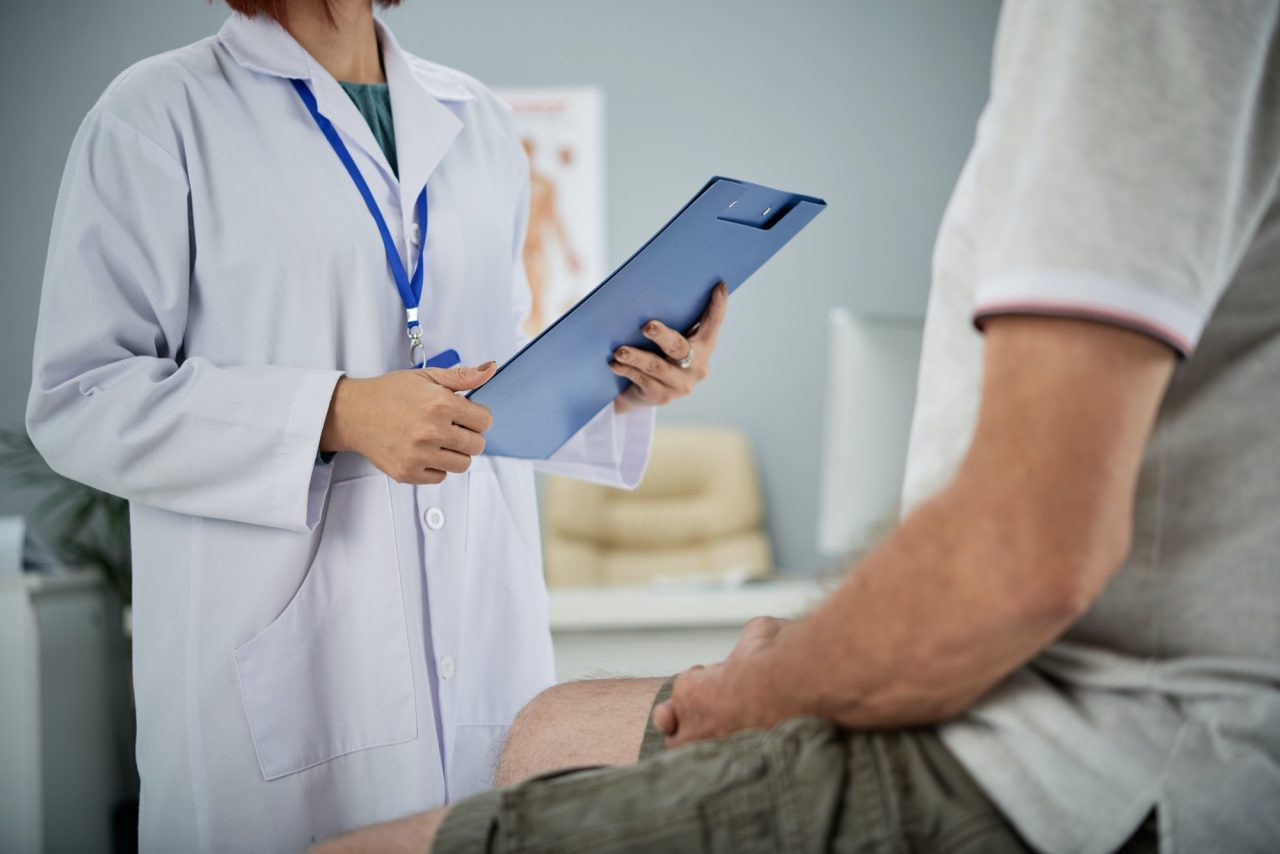
Solutions designed to support the recovery of musculoskeletal function, including joints, tendons, ligaments, and soft tissues, with the goal of improving mobility and quality of life.
A comprehensive health care program that combines in-depth assessments with appropriate therapies to support overall health, help slow the aging process, and enhance quality of life.

Treatment will be provided by licensed hospitals and clinics in Japan.
No. All medical services are provided by hospitals or clinics in Japan. VISION is responsible for coordination and support throughout the entire journey.
Contact VISION for an initial consultation. After assessing your needs, we will recommend a suitable medical institution and program.
It depends on the program and the recommendations of the medical institution. Some programs may require only one visit, while others may involve follow-up appointments.
The cost depends on the program, medical institution, and each client’s individual condition. A quotation will be provided in advance before proceeding.
If available, clients are encouraged to provide previous examination results or medical records so that the physician has additional information for assessment.
Yes. VISION provides consultation and coordination support for the necessary arrangements related to the medical itinerary. The scope of support may vary depending on each individual case.