
Fibroblasts are specialized cells found primarily in the dermis. They are responsible for producing collagen, elastin, and other components of the extracellular matrix (ECM) that help maintain the skin’s structure, firmness, and elasticity.
As we age, fibroblast activity may decline, contributing to reduced collagen production, loss of elasticity, and visible signs of skin aging.
In Autologous Fibroblast Therapy, a small skin sample is collected from the patient and used to isolate their own fibroblasts.
Skin Sample → Fibroblast Isolation → Cell Culture & Expansion → Quality Control → Injection into the Treatment Area
Once a sufficient number of fibroblasts have been cultured and prepared, the cells are injected back into targeted areas of the patient’s skin under medical supervision.
After being introduced into the skin, fibroblasts may continue to contribute to the production of collagen and extracellular matrix components, supporting the structure and quality of the treated skin.
Treatment Objectives
Improve overall skin texture and quality
Improve the appearance of certain wrinkles
Support skin tissue repair and regeneration
Is It a Stem Cell Therapy?
.
No
Fibroblasts are living cells, but they are not stem cells.
Fibroblasts are specialized connective tissue cells whose primary functions include producing collagen and maintaining the structural environment of the skin.
Treatment outcomes may vary depending on the patient’s skin condition, cell quality, number of cells administered, and treatment protocol.
A physician should assess each patient and determine an appropriate treatment plan before treatment.
Application of advanced medical technologies to support the recovery, regeneration, and improvement of tissue and organ function in the body.

Use stem cells as directed by the medical facility to support tissue regeneration, functional recovery, and comprehensive health care.
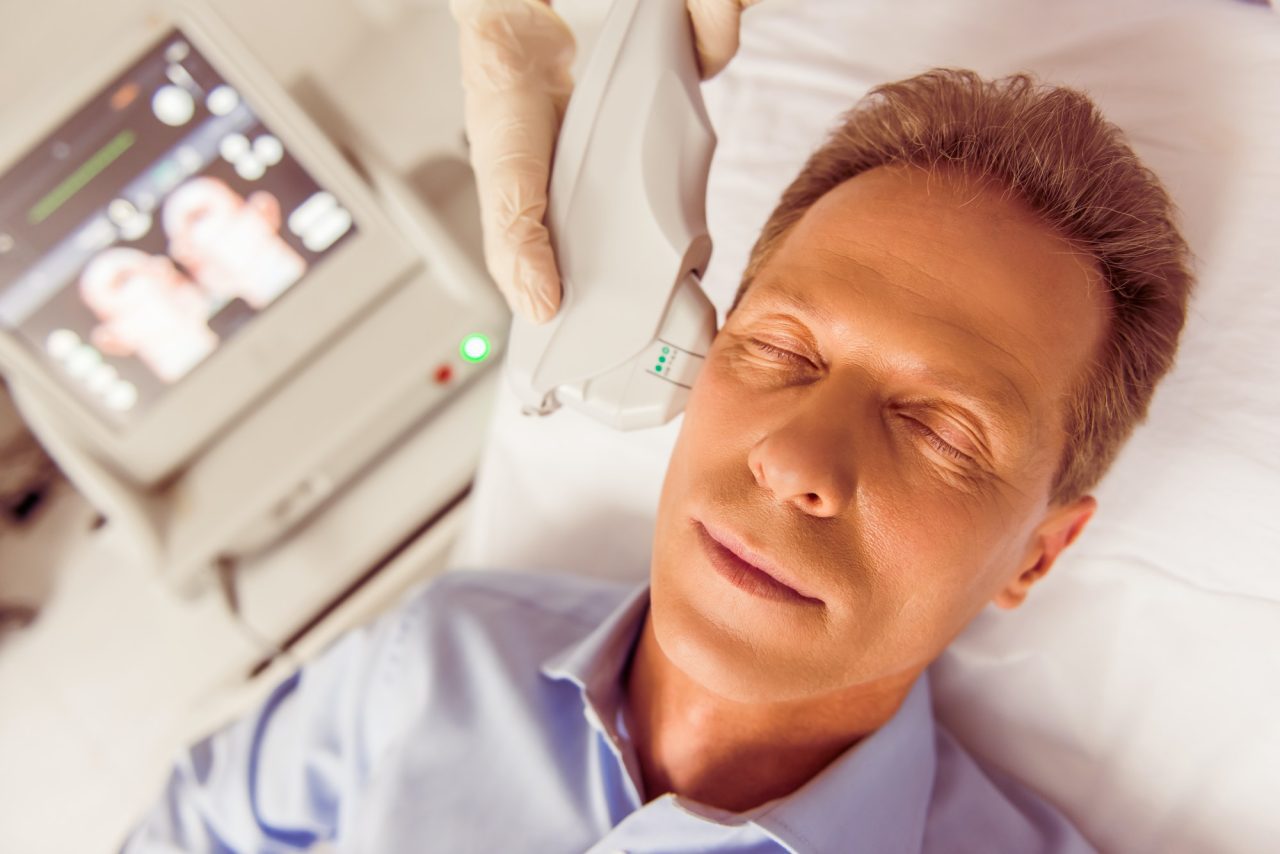
The use of NK (Natural Killer) immune cells to support the body’s ability to recognize and eliminate abnormal cells, as directed by a physician.

The use of extracellular vesicles (exosomes) containing biological signaling molecules to support tissue recovery, regeneration, and overall health care.
Advanced screening programs help assess risk, detect early signs of abnormalities, and develop an appropriate follow-up plan.
A comprehensive health care program that combines in-depth assessments with appropriate therapies to support overall health, help slow the aging process, and enhance quality of life.
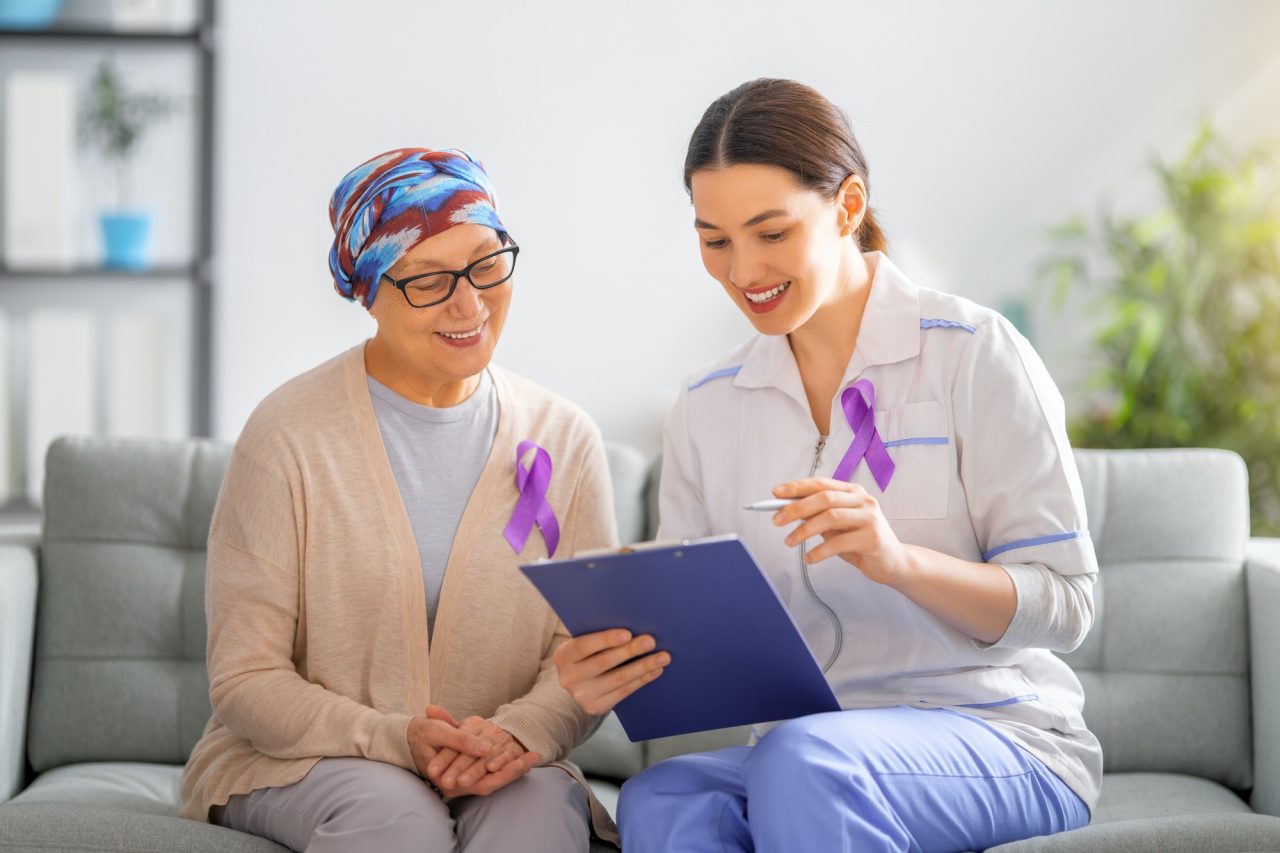
Treatment will be provided by licensed hospitals and clinics in Japan.
No. All medical services are provided by hospitals or clinics in Japan. VISION is responsible for coordination and support throughout the entire journey.
Contact VISION for an initial consultation. After assessing your needs, we will recommend a suitable medical institution and program.
It depends on the program and the recommendations of the medical institution. Some programs may require only one visit, while others may involve follow-up appointments.
The cost depends on the program, medical institution, and each client’s individual condition. A quotation will be provided in advance before proceeding.
If available, clients are encouraged to provide previous examination results or medical records so that the physician has additional information for assessment.
Yes. VISION provides consultation and coordination support for the necessary arrangements related to the medical itinerary. The scope of support may vary depending on each individual case.